
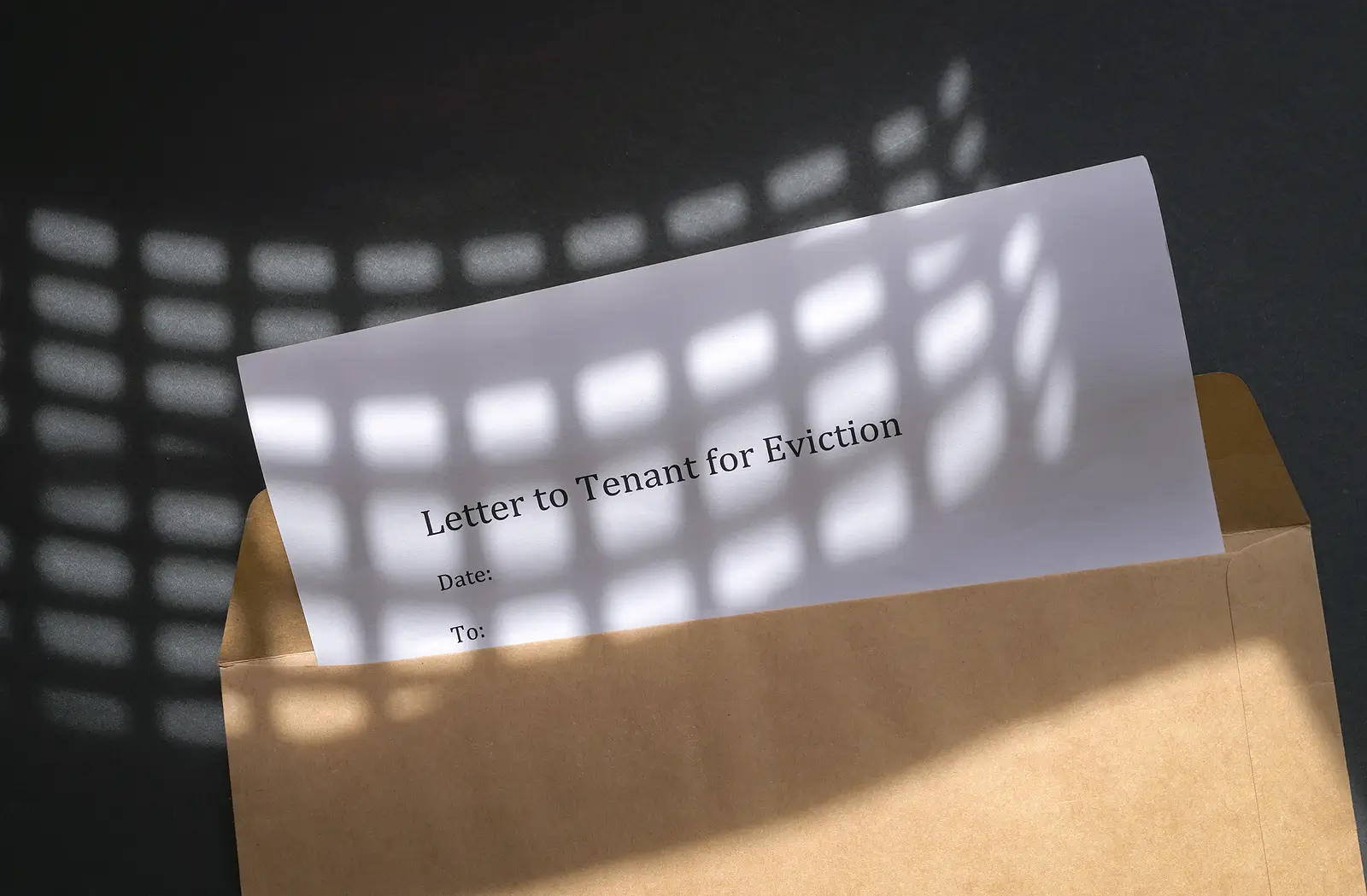
“Sometimes walking away is the only way to move forward.”
For landlords, that truth hits hardest when a tenant stops paying rent, ignores lease terms, or creates ongoing issues that drain time and income. Knowing when and how to exit a bad situation is not about giving up. It is about protecting your investment through a lawful strategy.
This guide explains how Puyallup landlords can legally remove a problematic tenant while preserving rental property, rental income, and full compliance with Washington law.
You are not simply ending a tenancy. You are making informed decisions that influence cash flow, long-term property value, and how the court views you as a landlord. Understanding the eviction process before it spirals out of control allows you to walk away with confidence and authority.
Key Takeaways
You strengthen your case by following Washington State eviction rules exactly as written.
Proper notices, evidence, and timelines often decide whether the judge rules in the landlord’s favor.
Professional guidance reduces risk, delays, and unnecessary attorney fees.
Understanding the Eviction Process in Washington State
You must follow a structured eviction process when a tenant fails to pay rent, violates the lease, or engages in illegal activity. Washington law outlines each step clearly, from the first notice through court enforcement.
When you skip steps or rush filings, you weaken your position. Judges frequently dismiss cases because landlords ignore notice requirements or file before deadlines expire, even when non-payment is obvious.
Why Your Lease Agreement Is the Legal Foundation for Eviction
Your lease agreement defines the rules of the relationship. It explains rent obligations, payment timelines, and what happens when a tenant fails to comply.
Lease violations such as non-payment, property damage, or refusal to follow lease terms give you the legal basis to move forward, as long as the lease aligns with state law.
Legal Responsibilities of Property Owners under Washington Law
As a property owner, you must enforce the lease consistently across all tenants. You cannot bend rules for one tenant and strictly apply them to another.
Legal compliance protects you from claims related to familial status, suitable age, or selective enforcement while preserving your long-term investment.
How a Property Manager Helps Prevent Eviction Mistakes
A property manager supports you by handling eviction notices, documentation, and rent collection with accuracy.
You gain structure and consistency compared to self-managing, which often reduces mistakes that lead to dismissed cases or unnecessary legal expenses.
Washington State Eviction Laws Every Landlord Must Follow
Washington eviction laws allow removal only under limited circumstances. Even when a tenant violates the lease, you cannot use self-help methods like changing locks or shutting off utilities.
Lawful eviction requires patience, documentation, and court approval at every stage of the process.
The Landlord-Tenant Relationship and Legal Notice Requirements
The landlord-tenant relationship under Washington State law is built on notice and fairness. You must provide proper written notice before escalating enforcement.
Clear communication protects you by showing that you acted reasonably and followed the law when tenant issues arise.
Protecting Your Rental Property from Problem Tenants
Problem tenants affect more than missed rent. They increase wear and tear, create safety concerns, and disrupt other tenants.
Taking timely action protects your rental property and prevents minor issues from turning into costly repairs or vacancies.
When to Seek a Free Eviction Consultation in Puyallup
A free consultation with legal counsel gives you clarity before filing an eviction case. You learn which notice applies, how long to wait, and what evidence you need.
Early guidance often makes all the difference between a smooth process and months of delay.
Handling Property Damage during the Eviction Process
When eviction involves property damage, documentation becomes critical. You should collect photos, inspection reports, and repair estimates.
Security deposits help offset losses, but Washington law requires strict accounting and timelines to remain compliant.
How Professional Property Management Reduces Eviction Risk
Professional property management helps you enforce lease terms consistently and lawfully.
You reduce exposure to claims of unfair treatment and improve outcomes across your entire rental portfolio.
What Happens after a Tenant Files an Answer to the Eviction
After you file and serve a summons, the tenant may submit a tenant’s answer to the court.
Tenants often challenge notice validity, rent calculations, or claim landlord failure to maintain the property.
When and How a Landlord Can Evict a Tenant Legally
You can evict a tenant only after the court authorizes removal. A notice to vacate alone does not give you possession.
Law enforcement executes the final step to ensure the eviction remains lawful and orderly.
Court Decisions, Writ of Restitution, and Regaining Possession
When the judge rules in the landlord’s favor, the court issues a writ of restitution.
This document authorizes the removal of the tenant and the return of possession, but only through proper enforcement channels.
Washington-Specific Eviction Notice Requirements Explained
Washington State requires different notices depending on the violation. Non-payment of rent typically requires a pay-or-vacate notice, while other violations trigger a ten-day notice.
Month-to-month tenancy follows separate rules, and errors often delay cases or force refiling, especially when compared with King County practices.
Notice accuracy directly affects how judges evaluate compliance and credibility.
Frequently Asked Questions
Q1. When does an eviction hearing occur after the landlord files a complaint?
After the landlord files a complaint, the court typically schedules an eviction hearing within a short timeframe, which may be as soon as three days, depending on the case type and court calendar. The judge reviews whether proper notice and filing requirements were met before allowing the case to proceed.
Q2. What should you prepare once the landlord files an eviction complaint?
Once the landlord files an eviction complaint, you should gather lease documents, payment records, and notices to present at the eviction hearing. Strong preparation helps demonstrate compliance with Washington law and supports your position in court.
Q3. Can a case be dismissed at the eviction hearing if the complaint is incorrect?
Yes. If the eviction hearing reveals errors in the complaint, such as improper notice timing or missing information, the judge may dismiss the case even if the tenant violated the lease.
Protecting Rental Income and Avoiding Future Tenant Issues
You protect rental income by screening tenants carefully, enforcing leases early, and addressing violations before they escalate.
A lawful eviction process reinforces boundaries and signals that your properties operate under clear, enforceable rules.
Where Compliance Meets Confidence
Removing a problematic tenant is never easy, but handling it the right way protects everything you have worked hard to build. When the process is done lawfully and strategically, you avoid costly delays, unnecessary risk, and stress that can linger long after the case ends.
With SJC Management Group, you gain a partner that understands Puyallup procedures, Washington State law, and real court expectations. That experience gives you clarity at every step, confidence in every decision, and control over the outcome.
Legal precision today safeguards your property, secures your income, and delivers the peace of mind every landlord deserves.